Understanding gambling addiction Steps toward effective recovery
Recognizing the Signs of Gambling Addiction
Gambling addiction, also known as compulsive gambling, can manifest in various ways. Individuals may experience an overwhelming urge to gamble, often prioritizing it over other important aspects of life. Signs include frequent lying about gambling habits, borrowing money to gamble, and neglecting personal responsibilities. Recognizing these behaviors is crucial for early intervention. Many players are now turning to online casinos australia due to their convenience, but it’s important to be aware of the potential risks involved.
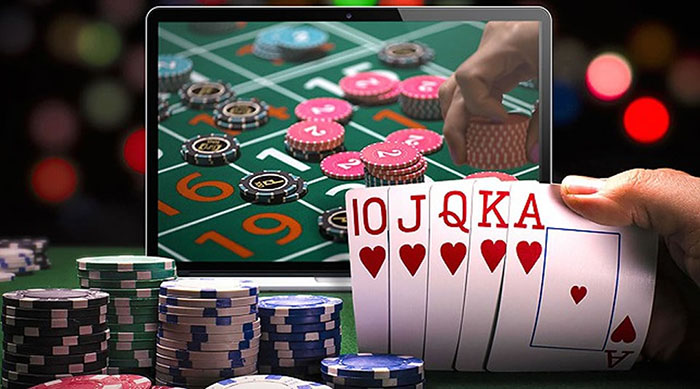
Another key indicator is the emotional response associated with gambling. A person may feel intense excitement while gambling but also experience significant anxiety, guilt, or depression afterward. This emotional rollercoaster can reinforce the compulsive behavior, making it essential to acknowledge these feelings as warning signs of a deeper issue.
Common Myths About Gambling Addiction
Despite increasing awareness, several myths about gambling addiction persist. One common misconception is that gambling is only problematic for individuals who lose large sums of money. In reality, even casual gamblers can develop harmful habits. The emotional and psychological impacts of gambling addiction can be significant, regardless of the amount of money involved, demonstrating that the nature of gambling itself can lead to addiction.
Another myth is that gambling addiction is merely a lack of willpower. This oversimplification disregards the complex psychological and biological factors contributing to the disorder. Understanding that gambling addiction is a recognized mental health issue can help reduce stigma and encourage those affected to seek help.
Steps Toward Effective Recovery
Recovery from gambling addiction often begins with acknowledging the problem. This first step is critical and involves admitting that gambling has become a harmful behavior. Once this is recognized, individuals can explore various treatment options. These may include therapy, support groups, and, in some cases, medication to help manage underlying mental health conditions.
Establishing a support network is vital in the recovery process. Surrounding oneself with understanding friends, family, or support group members can provide the emotional reinforcement needed to resist urges. Recovery is a journey that often requires ongoing effort and commitment, and having a strong support system can make a significant difference.
The Role of Professional Help in Recovery
Seeking professional help is a crucial step in overcoming gambling addiction. Therapists trained in addiction can provide valuable tools and coping strategies to help individuals manage their urges effectively. Cognitive-behavioral therapy, for example, helps individuals recognize and change harmful thought patterns associated with gambling.
Support groups such as Gamblers Anonymous can also play an essential role in recovery. These groups provide a safe space for individuals to share experiences and strategies for overcoming addiction. The combination of professional help and peer support can significantly enhance the chances of a successful recovery.

Explore Reliable Resources for Help
For those seeking guidance in overcoming gambling addiction, various online resources are available. Many websites offer comprehensive information on treatment options, support groups, and educational materials to help individuals understand their addiction better. Utilizing these resources can empower individuals to take control of their lives.
By connecting with these resources, individuals can find the support they need on their recovery journey. Whether it’s through online forums, educational articles, or professional directories, having access to reliable information can make the path toward recovery more manageable and hopeful.